

Articles & Reflections
for Schools, MATs, Local Authorities and the employment sector.
This space brings together practical advice, thoughtful reflections, and real‑world insights to support SEND leaders and practitioners. From statutory guidance to everyday challenges, each article is written to help you build confidence, strengthen practice, and create better experiences for children, families, and teams across education.
Talk to our experts today:
Why Autistic Young People Experience Anorexia Differently And What Schools Can Do
New research shows that autistic individuals often develop anorexia for reasons linked to sensory needs, interoception, and emotional processing, not body image. This means the signs schools are trained to look for may not appear at all.
Schools can make a huge difference by:
- creating low‑sensory eating spaces
- supporting interoception and emotional literacy
- recognising non‑typical signs of eating difficulties
- avoiding assumptions about “refusal” or “defiance.
We’ve written a clear, accessible article explaining the research and outlining practical steps


The 'New' Child: Understanding Learners in a Post-Pandemic World
This article explores how today’s post‑pandemic learners differ from previous cohorts, not because they are universally traumatised, but because they have grown up in an entirely different developmental landscape. Through the story of a young learner, George, it examines how over‑scaffolding, lowered expectations, and trauma‑first assumptions can unintentionally limit children’s autonomy, motivation, and engagement. Drawing on research, psychology, and classroom observation, the article argues for a return to evidence‑based teaching, strong relationships, and the explicit teaching of thinking skills. It challenges schools to rethink their assumptions about the “new” child and to focus on empowerment, high expectations, and high‑quality learning rather than over‑protection.
Understanding Neurodivergent Wellbeing: Insights from Dr Kirstie Rees for Schools and Early Years Settings
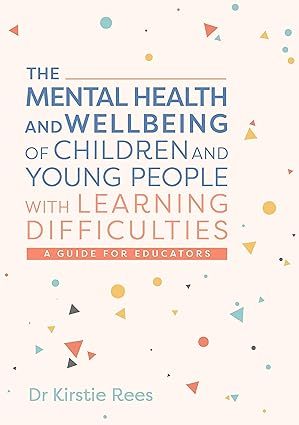
Reading The Mental Health and Wellbeing of Children and Young People with Learning Difficulties: A Guide for Educators by Dr Kirstie Rees offers a powerful reminder that neurodivergent children’s wellbeing can only be understood through a whole‑child lens. Dr Rees, an Educational Psychologist, sets out clear, practical guidance to help educators assess and support mental health in school and nursery settings. Her work emphasises that wellbeing is dynamic, relational, and deeply shaped by the environments children move through each day. The principles in the article draw directly from her insights and highlight how schools can build a more attuned, compassionate understanding of neurodivergent pupils.

Boys, the Manosphere, and the Gap We’re Not Talking About
Schools across the UK are seeing a rise in boys adopting rigid, online‑driven ideas about masculinity, and it’s not happening by accident. The “manosphere” offers boys a sense of certainty, identity, and belonging at a time when many feel directionless. While some of the content is harmful, its appeal is clear: it’s structured, consistent, and emotionally engaging. If we want boys to choose healthier models of masculinity, we need to offer compelling alternatives, not just warnings. This article explores why these narratives resonate and how schools can play a decisive role in shaping something better.
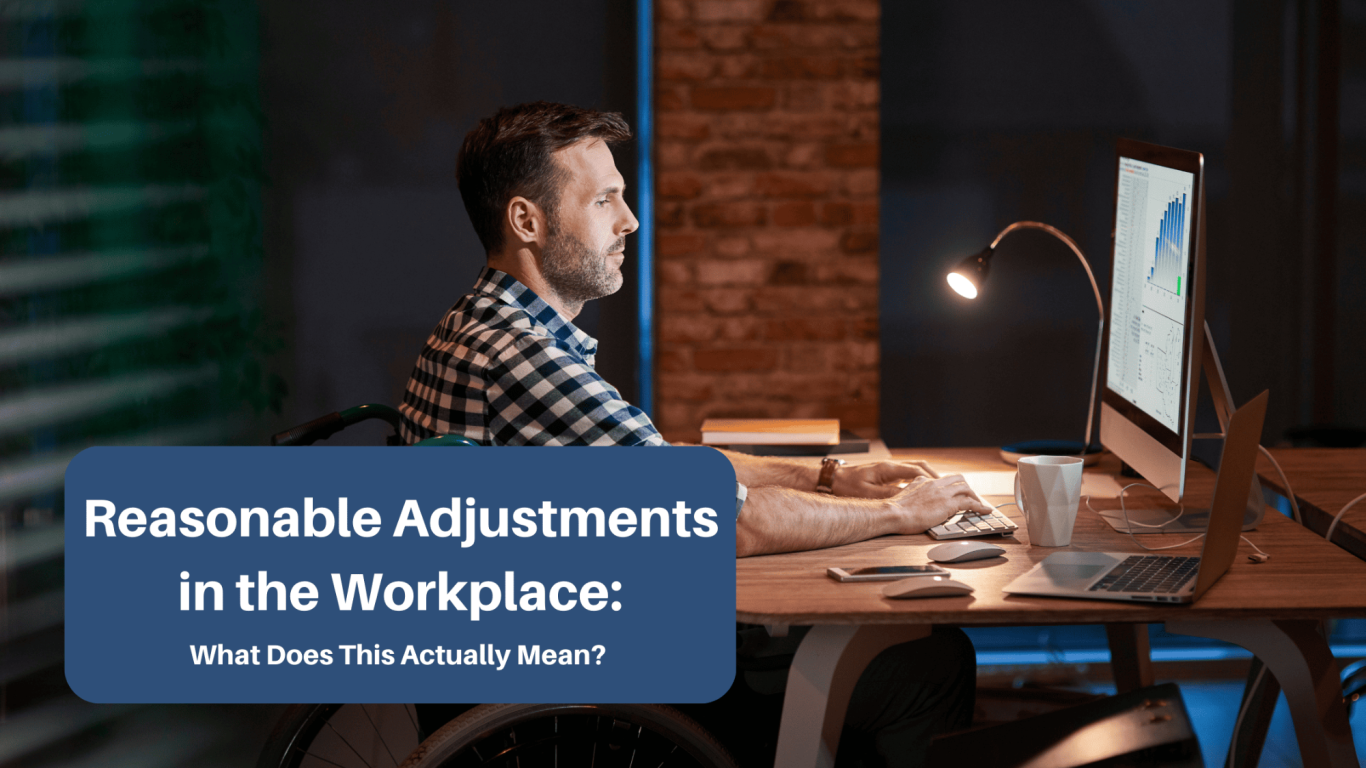
Reasonable Adjustments in the Workplace: From Legal Duty to Inclusive Practice
Creating environments where people and organisations, can thrive
“Reasonable adjustments are not special treatment. They are what make equal participation possible.” Equality Act, 2010.
In many workplaces, the phrase reasonable adjustments is still misunderstood, seen as a legal requirement to comply with rather than an opportunity to improve how people work and thrive.
But when implemented thoughtfully, reasonable adjustments are not just about removing barriers. They are about unlocking potential.

Navigating Misinformation, Disinformation and Online Influence: The Role of Educational Setting in Safeguarding and Critical Thinking
Educational settings play a vital safeguarding role in helping children and young people navigate a digital world where misinformation, disinformation and extremist narratives spread rapidly. While education settings are not expected to solve global issues, they are uniquely placed to build pupils’ critical thinking, resilience and respect, duties reinforced by the Education Act 2002, the Teachers’ Standards and Keeping Children Safe in Education.