

Understanding Neurodivergent Wellbeing: Insights from Dr Kirstie Rees for Schools and Early Years Settings
Neurodivergent children experience the school day through a unique combination of sensory, emotional, relational, and environmental factors, and their mental health can shift rapidly in response to these influences. Drawing on the work of Dr Kirstie Rees in The Mental Health and Wellbeing of Children and Young People with Learning Difficulties, this article explores practical, evidence‑informed principles that help educators understand and support wellbeing in a way that is compassionate, contextual, and grounded in real‑world school practice. By looking closely at the child’s experiences, communication, strengths, and environment, schools can build approaches that are both protective and empowering, ensuring every child feels understood, safe, and able to thrive.
Talk to our experts today:
Understanding Neurodivergent Wellbeing: Insights from Dr Kirstie Rees for Schools and Early Years Settings
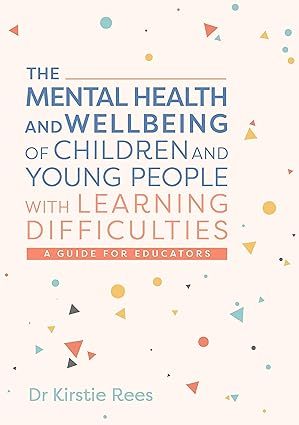
Review by Lucy Emma Little, Founder of Invicta Strategic Consultants Ltd
Reading The Mental Health and Wellbeing of Children and Young People with Learning Difficulties: A Guide for Educators by Dr Kirstie Rees offers a clear, grounded reminder that neurodivergent children’s wellbeing can only be understood through a whole‑child, relational lens. Dr Rees, an Educational Psychologist, provides practical guidance for educators working in schools and nursery settings, emphasising that mental health is dynamic, context‑dependent, and shaped by the environments children move through each day. The principles below draw directly from her work and offer a professional yet supportive framework for understanding and responding to neurodivergent pupils’ needs.
Mental Health as a Continuum
Dr Rees describes mental health as existing “on a continuum – ranging from feeling happy and content… to experiencing chronic and enduring mental health difficulties” and highlights that a child’s position “will change, depending on what has happened… and the support network around us.” This perspective encourages staff to look for patterns across the day rather than interpreting behaviour in isolation.
Key considerations include the influence of:
- transitions
- peer interactions
- sensory load
- classroom expectations
- relationships with adults
Understanding these shifts helps identify both protective factors and points of vulnerability.
Seeing the Child Before the Diagnosis
A diagnosis can be informative, but Dr Rees cautions that it can also lead to “stereotypes or using short cuts, rather than basing… assessment on an in-depth understanding of the child or young person.” A neurodiversity‑affirming approach prioritises the child’s identity, strengths, and lived experience.
This involves:
- exploring how the child understands their diagnosis
- avoiding assumptions based on labels
- recognising strengths as central to wellbeing
Building Deep Relational Knowledge
Many neurodivergent children “find it difficult to make sense of how they are feeling, or to filter out the barrage of thoughts crowding their heads.” Knowing what a child looks like when they are well enables adults to recognise early signs of distress.
Effective relational understanding includes:
- noticing subtle changes in behaviour
- identifying preferred people, places, and routines
- building trust through predictable, low‑pressure interactions
Listening to Those Who Know the Child Best
Parents, carers, and familiar staff often hold the most accurate insights into a child’s emotional cues. Dr Rees notes that these adults can identify “the signs that indicate a change… and how long they last.” This multi‑perspective approach strengthens assessment and ensures no single viewpoint dominates.
Useful sources of insight include:
- teaching assistants
- lunchtime supervisors
- club/activity leaders
- multi‑agency professionals
Understanding the Impact of the Environment
Even small changes, such as “a change from one activity to another, or a change in teacher for the day”, can significantly affect wellbeing. Mapping the child’s day helps identify stress points and opportunities for regulation.
Environmental factors to consider:
- sensory load (noise, light, movement)
- predictability and routine
- transitions between spaces
- social demands
- classroom layout
Considering What Has Happened, Not What Is Wrong
A trauma‑informed lens shifts the focus from behaviour to experience. Dr Rees explains that children who have experienced trauma may show “difficulty processing sensory information or very elevated anxiety levels and poor self-regulation.” Understanding context prevents misinterpretation and supports sensitive, relational intervention.
This includes:
- exploring recent changes or losses
- recognising triggers
- understanding attachment patterns
- ensuring consistent, dependable adult relationships
Exploring Sensory Profiles
Sensory processing plays a major role in regulation. Many children “struggle to manage a lot of the sensory stimuli… and may become dysregulated or overwhelmed.” Understanding sensory thresholds enables staff to create environments that support calm and focus.
Key sensory considerations:
- noise sensitivity
- movement needs
- proprioceptive input
- visual clutter
- tactile and smell sensitivities
Matching Communication to the Child
When overwhelmed, children may communicate distress through “crying or withdrawing and becoming very quiet.” Adapting communication helps children feel understood and reduces escalation.
Supportive strategies include:
- visuals and objects of reference
- simplified language
- gestures and modelling
- allowing processing time
- movement‑based communication
Highlighting Strengths and Motivators
A strengths‑based approach empowers children and builds resilience. Dr Rees encourages adults to find “times or activities when they are feeling better, engaged, or connected.” These moments reveal what supports regulation and connection.
Strength‑focused practice includes:
- identifying motivators
- embedding interests into the day
- celebrating small successes
- using strengths to scaffold challenges
Recognising That Assessment Is Also Intervention
Dr Rees emphasises that “getting alongside a child… is not just part of your assessment, it is an integral part of an intervention too.” Every interaction contributes to a child’s sense of safety and belonging.
This means:
- assessment is relational
- observation is active support
- connection is therapeutic
- understanding is intervention
How Invicta Helps Schools Embed These Principles
Invicta Strategic Consultants Ltd supports schools, MATs, and Local Authorities to translate these principles into consistent, defensible, and child‑centred practice. The focus is on strengthening the systems around the child so that wellbeing is understood holistically and acted upon confidently.
Invicta helps teams to:
- integrate sensory, relational, and trauma‑informed understanding into statutory processes
- map environments and transitions to reduce stressors across the school day
- develop staff confidence in interpreting behaviour as communication
- adapt communication methods to match individual needs
- embed strengths‑based planning into daily routines
- create documentation frameworks that reflect the whole child rather than isolated behaviours
This approach supports schools to create environments where neurodivergent children feel understood, regulated, and able to thrive.